
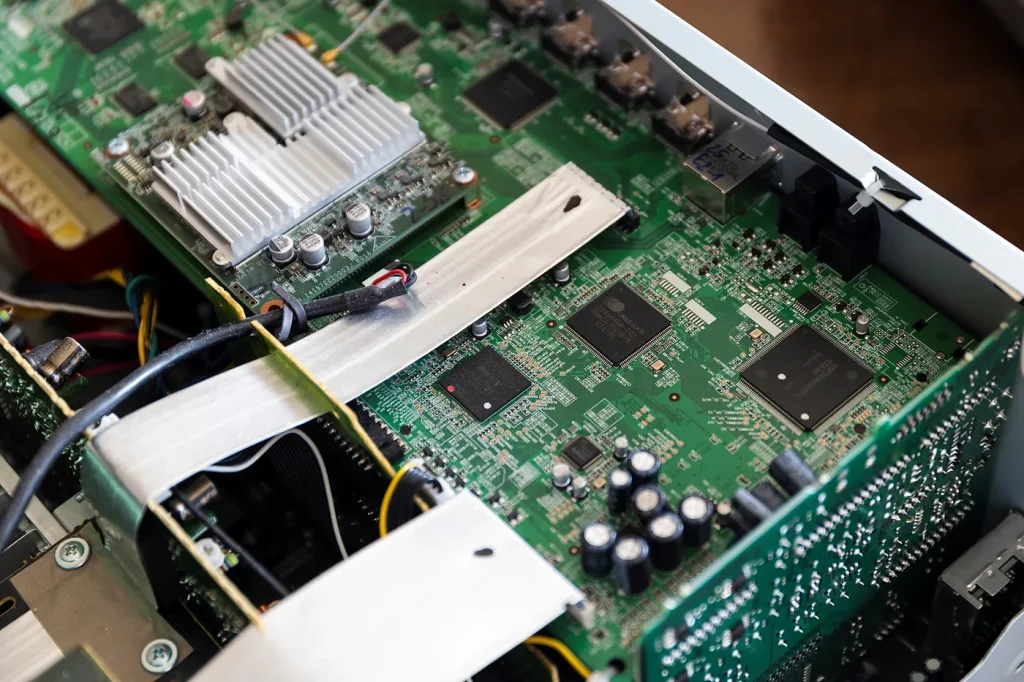
A circuit board is only one part of many industrial electronic products. The finished product may also include an enclosure, wiring, connectors, switches, displays, power supplies, mechanical components, and other assemblies. For industrial equipment manufacturers, box build assembly can be useful. Instead of receiving individual PCB assemblies and managing the remaining assembly work internally, an OEM can have a manufacturing partner complete some or all of the assembly required to produce a finished electronic subassembly.
Box build is not the right choice for every product. The decision depends on the complexity of the assembly, internal production capabilities, volume, labor requirements, and the extent of responsibility the OEM wants its manufacturing partner to assume.
What Is Box Build Assembly?
Box build assembly refers to assembling electronic and mechanical components into a finished unit or enclosure. The exact scope can vary considerably from one product to another. A box build might include a completed PCBA installed into an enclosure along with wiring, connectors, switches, displays, hardware, and other components. In some cases, the manufacturer may also perform mechanical assembly and install cables or wires.
The electronics inside the enclosure may be relatively simple or highly complex. What makes box build different from PCB assembly is that the manufacturing process continues beyond the circuit board. For an industrial equipment manufacturer, this can be useful when the electronic assembly is itself a subassembly that will eventually be installed into a larger machine or system.
Why Move Beyond PCB Assembly?
One reason to consider box build assembly is to reduce the number of manufacturing steps managed internally. An OEM that receives completed PCBAs may still need to purchase enclosures, install boards, route wires, attach connectors, install hardware, and perform assembly checks. Each additional step requires labor, space, inventory, documentation, and quality control. Outsourcing some of this work can consolidate those activities. Instead of coordinating multiple suppliers or handling all assembly work internally, the OEM may receive a more complete unit.
That does not automatically make box builds the better option. For some manufacturers, internal assembly may make sense because the process is simple, volumes are low, or the necessary labor and equipment are already available. The decision should be based on the actual manufacturing requirements rather than the assumption that more outsourcing is always better.
Box Builds Can Support Industrial Control Equipment
Industrial control systems box build assembly often makes sense. A control enclosure may contain one or more PCBAs along with connectors, wiring, switches, displays, and mechanical components. The electronics need to be assembled correctly, but so does everything around them. An incorrectly installed connector, improperly routed wire, or incorrectly mounted board can cause problems even when the PCBA itself has passed inspection. Completing more of the assembly in a single manufacturing process can provide a more consistent approach to these details.
Power-related equipment can present similar considerations. Larger components, wiring, terminals, and mechanical hardware may need to be combined with electronic control or monitoring boards. In these applications, the finished assembly involves more than placing components on a PCB.
Wiring and Mechanical Assembly Are Part of the Process
Box build assemblies often contain electronic, mechanical, and wiring components . Wiring can involve installing cables, routing conductors, connecting terminals, and securing connections within the enclosure. Mechanical assembly may involve mounting circuit boards, installing hardware, securing components, and fitting covers or other enclosure parts.
These steps should be considered when preparing the product for manufacturing. Physical access, connector orientation, wire routing, mounting locations, and assembly sequence can all affect how efficiently the finished unit can be built. Before production, the OEM and manufacturing partner should review drawings, wire routing, connector orientation, mounting locations, labeling, and test requirements. The electronics may be designed and tested independently, but the completed product still has to fit together correctly.
When Does Box Build Make Sense?
There are several situations where an OEM may want to evaluate box build assembly.
- The finished electronics require several assembly steps. If a product involves PCBAs, wiring, mechanical components, and an enclosure, consolidating those processes may simplify production.
- Internal labor is becoming a constraint. As production grows, final assembly can consume significant labor even when PCB production itself is already outsourced.
- The OEM wants to reduce supplier coordination. Having one manufacturing partner handle PCB assembly and additional assembly work can reduce the number of handoffs.
- The electronic subassembly is part of a larger machine. If the OEM ultimately installs the unit into industrial equipment, receiving a more complete assembly can simplify integration.
- The assembly process needs to be repeatable. Documented and controlled assembly processes can help produce consistent units across production runs.
There are also reasons not to use box build. If the final assembly is extremely simple, internal production may be more efficient. If the product changes frequently during development, it may be premature to outsource the complete assembly. The best approach depends on the product and production stage. For example, a product still undergoing design changes may require a different assembly plan than one that is stable and entering repeat production.
Start With the Actual Manufacturing Requirements
Choosing to outsource box build assembly is a manufacturing decision that can affect inventory, labor, quality control, logistics, and production scheduling. For an OEM considering a box build, it is useful to examine the entire assembly process and identify which steps currently require the most effort or present the greatest risk of error. That provides a better basis for deciding what should remain internal and what could be handled by a manufacturing partner.
SMTNW provides PCB assembly services, including through-hole assembly, selective soldering, wiring, mechanical assembly, and box build capabilities. Our capabilities allow industrial customers to evaluate whether a more complete assembly approach fits their particular product and production requirements.
If you are evaluating whether box build assembly makes sense for your industrial product, contact SMTNW to discuss your assembly requirements and production goals.