
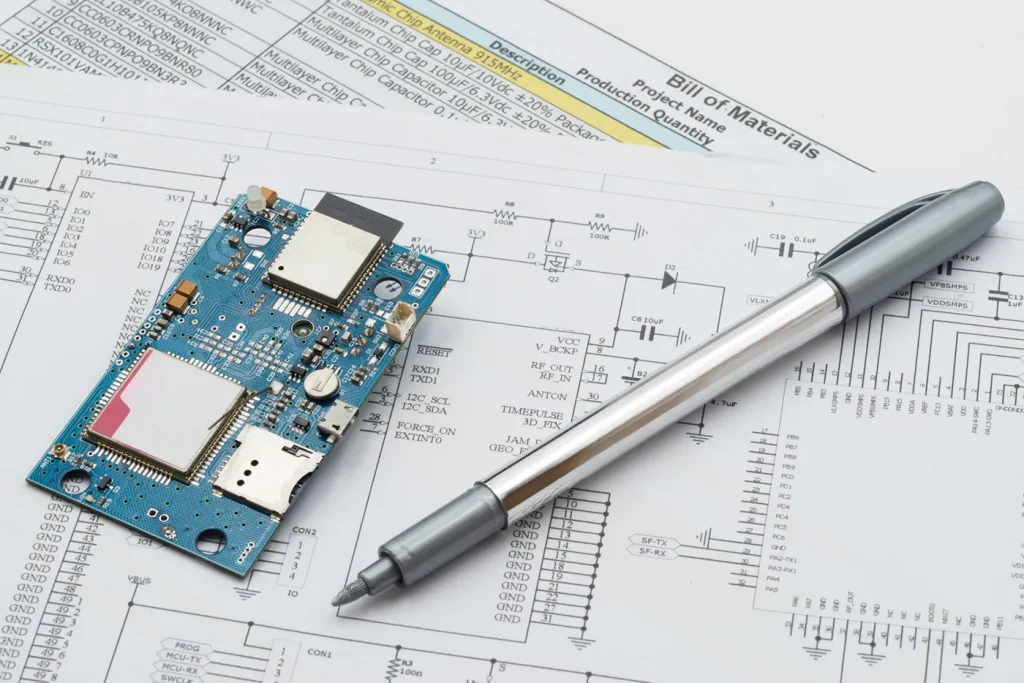
Obsolete components can turn an established PCB assembly into a sourcing and engineering problem. Production may have run without problems for years, and then a component manufacturer discontinues one part on the bill of materials, leaving manufacturers scrambling for a fix if it wasn’t planned for. Waiting until obsolete components are unavailable leaves an OEM with fewer choices and less time to evaluate them.
Obsolete Components Are Not the Same As Unavailable
A component can be difficult to buy without being obsolete. Allocation, unexpected demand, production disruptions, and long manufacturer lead times can create temporary availability problems. On the other hand, obsolescence is a lifecycle issue. The manufacturer has discontinued the component or is moving toward the end of production and support.
Understanding this distinction affects the available options. A temporary shortage may be addressed through scheduling, existing authorized inventory, or another approved source. An obsolete part requires a longer-term decision about how the product will continue to be built.
Before making any decisions, a process should be followed to identify at-risk items, assess their potential impact, analyze possible mitigation strategies, and implement the most cost-effective resolution. The solution should follow an assessment of the product and program rather than a rush to buy the first part that appears available.
Determine Where the Obsolete Component Is Used
Understanding your exposure is a critical step required to move forward. How is the component used across boards? One obsolete component may appear in a single low-volume board or across several assemblies and product families, making the challenge even greater.
Auditing inventory and current use of the component will give you an idea of the urgency. Review current demand, open orders, finished goods, work-in-process, and component inventory. Estimate how many assemblies can be supported with the materials already available. Engineering should also identify every revision and product that uses the affected part. This information, along with forecasting, can help you determine how much time is available to plan. A company with enough inventory to cover 18 months of expected demand faces a different problem than one with enough material for the next production run. Usage should also be considered in relation to the remaining life of the product. A mature product scheduled for retirement in a year may warrant a different response than equipment expected to remain in production or in field service for another decade.
Review the Available Options Before Redesigning the Board
An obsolete component does not automatically require a PCB redesign. Several possible resolutions should be evaluated based on product requirements and the program’s remaining lifecycle.
- Available Inventory— Authorized inventory may still be available. In some cases, the original component manufacturer or an authorized distributor has sufficient stock to support planned production, particularly if the product is scheduled for retirement. A last-time buy can make sense when the remaining product demand is reasonably understood. The risk is buying too little and facing the same problem later, or buying excess material that never reaches production. Demand forecasts, field service requirements, scrap assumptions, and product retirement plans should be considered before the quantity is established.
- Approved Alternate—An approved alternate may already exist. BOMs that include properly reviewed alternate manufacturer part numbers give purchasing more flexibility when the primary part becomes unavailable. The alternate still needs to meet the product’s electrical, mechanical, thermal, environmental, and assembly requirements.
- New Alternate—A new alternate may also be identified. Engineering must determine whether the replacement is truly compatible and what validation is required. Package dimensions, pinout, electrical ratings, tolerances, firmware interaction, and expected operating conditions may affect the decision.
When no other options are available, a redesign may be required. It may also make sense when several components on the board are approaching obsolescence. A redesign can address the immediate issue and reduce other lifecycle risks, but it may require engineering time, PCB changes, testing, documentation updates, and product requalification.
Be Careful When Obsolete Components Appear on the Open Market
A component shortage creates urgency. Online searches may show thousands of parts available from suppliers that the OEM or contract manufacturer has never used. However, risk needs to be considered before purchase to avoid a counterfeit component that may cause failure in the field. Traceability becomes especially important when the normal supply chain cannot provide the part.
A broker listing should not be treated as equivalent to inventory from the original component manufacturer or an authorized source. ERAI, a global information services organization that monitors, investigates, and mitigates risks associated with counterfeit, high-risk, and nonconforming electronic components, reports that counterfeit components remain a significant issue. Counterfeit and non-conforming parts increased 25% in 2024 over the previous year, the highest number of parts recorded since 2015.
The source, documentation, storage history, lot information, and testing requirements will require further review before the component is used. Extreme care must be taken because the documentation may be fake, as demonstrated in an manufacturer trusted the documentation from a China-based distributor that claimed the parts were third-party tested, when in fact they were not.
The cost of additional inspection and testing should also be included in the sourcing decision. A lower component price can become expensive when the part requires extensive authentication or creates a risk of assembly failures. The Semiconductor Industry Association estimates that counterfeiting costs US-based semiconductor companies more than $7.5 billion per year.
Obsolescence Management Should Continue After the Immediate Problem Is Solved
Once production resumes, the BOM must be updated to reflect approved alternates, revised manufacturer part numbers, or the new design revision. Purchasing and manufacturing teams need to work from the same approved information. Product records should also show why the change was made and which validations were completed. This is especially important for products with long manufacturing or service lives. Several years later, the people responding to the next component issue may not be the people who made the original decision.
This is a good time to review the rest of the BOM. One obsolete part on a mature assembly may be an isolated issue, or it may indicate that other components selected during the same design period are moving toward the end of their manufacturing lives. Proactive monitoring provides more options. Continuous lifecycle review provides additional time for decision-making rather than waiting for a discontinued part to affect readiness or schedule.
How SMTNW Addresses Obsolete Components
SMTNW helps customers address obsolete components before they disrupt production. During RFQ, procurement, and pre-production review, our team looks for hard-to-find parts, long-lead items, lifecycle concerns, approved manufacturer part numbers, and missing alternates. For turnkey and consigned jobs, materials are reviewed and verified through inventory control, kit audits, and pre-production checks to identify shortages, obsolete parts, mislabeled components, or unapproved substitutions early. If a specified part cannot be sourced through normal distribution, we work with our customer to review authorized inventory, approved alternates, new alternates that need validation, or a design change.
While no EMS provider can eliminate obsolescence, our role is to give customers earlier visibility, control material decisions, document changes, and reduce the risk of last-minute substitutions or exposure to counterfeit materials.
Need help managing obsolete components in an active PCB assembly? Contact SMTNW to review your BOM, identify sourcing risks, and plan the right path forward before a component issue affects production.