
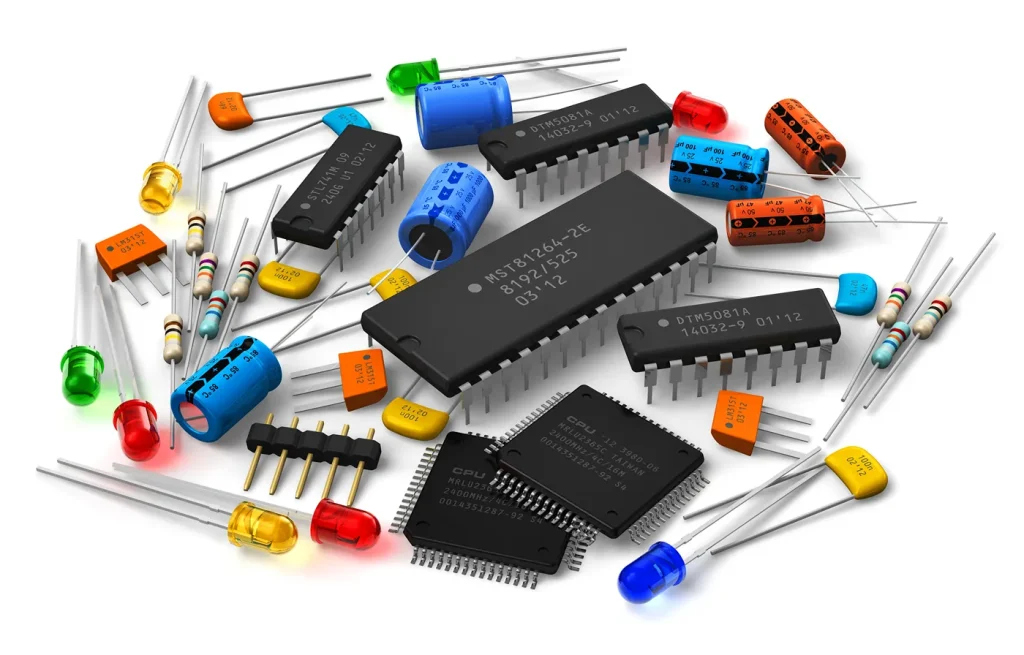
Electronic component procurement can determine whether a production schedule is met and whether finished assemblies ship when customers need them. When parts are hard to source, poorly verified, or purchased without visibility into lifecycle status, the effects are felt quickly, often with longer lead times, higher costs, quality risks, and avoidable delivery delays. Strong component sourcing enables manufacturers to better control availability, approved alternatives, pricing, and supplier reliability. It also helps reduce disruption when demand shifts, parts become obsolete, or supply tightens.
How Electronic Component Procurement Affects Lead Times and Delivery
For customers, procurement problems usually show up as late parts, delayed builds, or missed delivery dates. If a BOM includes an obsolete part, a long-lead component, an unavailable item, or a substitute that has not been approved, the schedule may be built around materials that cannot support the promised ship date.
A strong electronic component procurement process reduces that risk by confirming accurate manufacturer part numbers, approved alternates, package details, quantities, demand timing, and kit readiness before the job is scheduled. When that information is incomplete, time is spent confirming part identity, waiting for customer approval, searching for inventory, or working around shortages, instead of moving the order toward shipment. The reality is that a single missing component can hold up the entire order. The assembly may be mostly ready, but it cannot ship complete if a required part is unavailable or unresolved. Customers want to know whether their parts will arrive when promised.
For high-mix PCB assembly, each build may involve different revisions, component sets, and timing. Procurement, inventory control, and production planning must use the same information so shortages are identified early, customer approvals are handled quickly, and completed assemblies can ship on time.
How Procurement Affects Cost
Unit price is only one part of the component cost. A lower part price can become expensive if it creates a quality issue, requires extra inspection, arrives late, or forces a production change. Procurement should account for the total cost of getting the right parts into production at the right time. Common cost drivers include expedited shipping, minimum order quantities, excess inventory, rework, line downtime, and administrative time spent chasing shortages or reconciling data. These costs often stay hidden because they are spread across purchasing, production, engineering, and customer service.
A disciplined electronic component procurement process reduces those costs by finding problems early. If a long-lead part needs to be ordered immediately, that should be known at the time of PO release. If a customer-supplied kit is short, that should be found and rectified before the job reaches the line. If a part is obsolete or hard to find, that should trigger a discussion with the customer before committing to the schedule. This alleviates avoidable costs associated with poor visibility.
Obsolescence, Approved Sources, and Counterfeit Risk
Electronics procurement must also manage risk, such as obsolescence, changing lead times, and approved distributor stockouts. Independent sources may have inventory, but they may introduce counterfeit risk if the sourcing process is not controlled. And counterfeit risk is a real concern. The US government defines counterfeit electronic parts as items that are misrepresented as authentic, including unauthorized substitutions, used parts represented as new, or parts with false grade, lot, date code, or performance information.
The first defense against counterfeit components is controlling the source. Procurement should begin with the original component manufacturer, authorized distributor, or another approved source whenever possible. If a part cannot be found through normal channels, the next step should be a documented discussion with the customer about available options, risks, and approval of a new source. This process protects the build while limiting exposure to counterfeit or unapproved components.
What Manufacturers Should Look for in a Procurement Process
A good procurement process requires discipline. Manufacturers should look for a sourcing process that connects purchasing, inventory, production, and customer communication.
- BOM review before production—The manufacturer should review the BOM for hard-to-find parts, long-lead items, lifecycle concerns, and approved alternates.
- Clear sourcing rules—The team should know when to use authorized distribution, when to ask for customer approval, and how to document exceptions.
- Inventory and kit validation—Parts should be verified before the job reaches the production floor.
- Visibility into shortages—Customers should know early when a component could affect schedule, cost, or delivery.
- Controlled handling of consigned materials—Customer-supplied inventory should be audited and managed with the same care as turnkey materials.
- Production feedback loop—If a component creates repeat issues, the information should flow back into procurement and customer communication.
These steps do not eliminate every supply chain problem; however, they will reduce surprises. In electronics manufacturing, fewer surprises usually means fewer late orders, fewer added costs, and better delivery reliability.
How SMTNW Handles Procurement
SMTNW approaches procurement as part of the manufacturing process, not as a separate purchasing task. Our team reviews materials early, identifies long-lead and hard-to-find components, and works from approved manufacturer part numbers. When an approved part cannot be sourced through normal distribution, we work with the customer before moving forward with an alternate source or substitution.
We also use proactive materials management on the floor, inventory control, kit audits, and pre-production verification to reduce the chance of a job being stopped by a missing part. Turnkey and consigned jobs are managed through the same process, helping maintain consistent material handling across different customer requirements.
If your current EMS partner is struggling with shortages, late deliveries, unclear material status, or poor communication, it may be time to review how procurement is managed before production starts. Contact us to discuss your next build and see how a more proactive sourcing and materials management process can improve lead times, control costs, and ensure on-time delivery.