
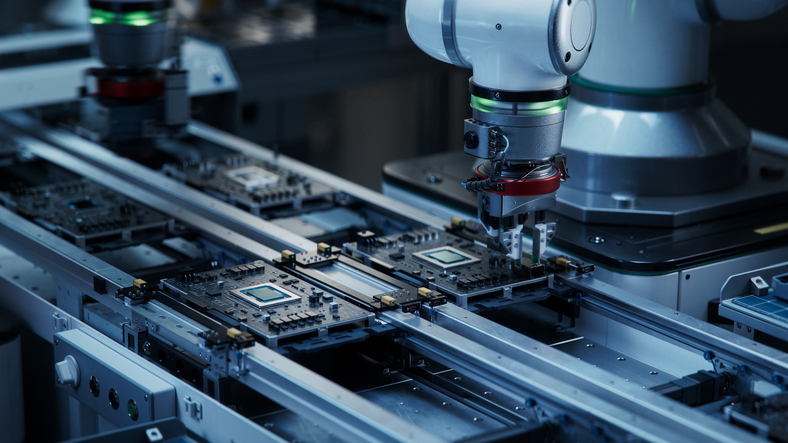
As robotics continues to transform manufacturing, logistics, healthcare, and consumer products, the requirements for printed circuit board (PCB) assemblies have grown more complex. PCBs used in robotic systems must withstand greater mechanical, electrical, and environmental stress than those found in standard devices. When developing electronics for robotic PCB assemblies for motion control, sensors, and power management applications, design and assembly decisions carry long-term consequences for reliability and performance.
The Distinct Demands of Robotic PCB Assemblies
Robotic systems are at the forefront of technological advancement, operating in unpredictable and often harsh environments. Unlike standard electronics, robotic PCB assemblies face unique challenges. These systems typically function continuously, exposed to constant vibration, heat, and electrical noise. Mechanical stresses encountered during movement can lead to fatigue and failure if not properly addressed in the design and assembly processes. In addition, robotics applications often generate significant electromagnetic interference (EMI), especially from motors, drives, and power management circuits. This interference can degrade signal fidelity, disrupt communication, and ultimately compromise system reliability.
Space constraints also play a significant role in the design of robotic PCBs. Assemblies are often required to fit within compact, irregularly shaped enclosures without sacrificing durability or performance. These conditions demand innovative solutions for mounting, component placement, and board layout. Furthermore, robotic applications require integrating multiple sensor and actuator interfaces to enable precise motion control and responsive feedback. This level of complexity increases the risk of cross-talk and signal degradation, making robust layout strategies and controlled impedance routing essential.
Ultimately, the specialized requirements of robotic PCB assemblies stem from the need to balance mechanical robustness, electrical performance, and environmental resilience. These considerations set them apart from conventional electronics and underscore the importance of tailored design and manufacturing practices for robotics applications.
Design Considerations for Robotic PCB Assembly
When specifying PCBs for robotic applications, attention should be given to:
- Thermal design: Adequate heat dissipation for processors and power circuits
- Mechanical strength: Reinforced mounting points and robust traces to handle movement and shock
- Signal integrity: Careful layout to reduce cross-talk and protect sensitive signals
- Component selection: Use of high-reliability and long-life parts tested for industrial environments
Addressing the distinct demands of robotics begins with deliberate design choices. Effective thermal management is crucial, as processors and power circuits within robotic systems can generate substantial heat. Integrating features such as thermal vias, dedicated copper pours, and optimized board layouts ensures that heat is dissipated efficiently, protecting sensitive components and maintaining overall system performance.
Mechanical strength is equally important. Reinforced mounting points and robust traces are necessary to withstand the constant movement and shocks inherent to robotic operation. These features help mitigate the risk of fatigue and mechanical failure, extending the lifespan of the assembly and reducing maintenance needs.
Signal integrity is a foundational concern in robotic PCB design. The presence of motors and power electronics introduces significant electromagnetic interference, making it essential to use careful layout techniques that minimize cross-talk and shield sensitive signals. Employing ground planes and controlled impedance routing can help preserve accurate data transmission across sensors, actuators, and communication interfaces.
Component selection plays a vital role in ensuring reliability. High-quality, long-life parts tested for industrial environments offer greater resilience to the rigors of robotic applications. These components are specifically chosen for their ability to withstand extended operation, environmental fluctuations, and mechanical stress.
Finally, successful PCB assembly for robotics benefits from collaboration between design engineers and experienced contract manufacturers. Engaging manufacturing experts early in the process allows for the identification and mitigation of potential risks, such as field failures or design bottlenecks. This partnership ensures that material selection, board stack-up, and layout decisions are optimized for both electrical and mechanical performance, resulting in assemblies that meet the stringent requirements of modern robotic systems.
Partner with SMT Northwest for Your Robotic PCB Assemblies
When it comes to building reliable PCBs for robotics, choosing the right manufacturing partner is essential. SMT Northwest stands out with:
- Expert engineering support for design reviews and DFM, ensuring your project’s success from concept to completion
- Strict adherence to IPC standards for maximum reliability
- Full traceability for all components and processes, giving you peace of mind
- Flexibility to handle both prototypes and large production runs—perfect for evolving robotics projects
SMTNW is your partner for high-quality, robust PCB assemblies tailored to the specific demands of robotics. Our team works closely with you to optimize layouts, suggest the best materials, and ensure every assembly is thoroughly tested for performance and reliability. If you’re ready to elevate your robotic systems and streamline your development process, contact Surface Mount Technology NW today to discuss your next project.