
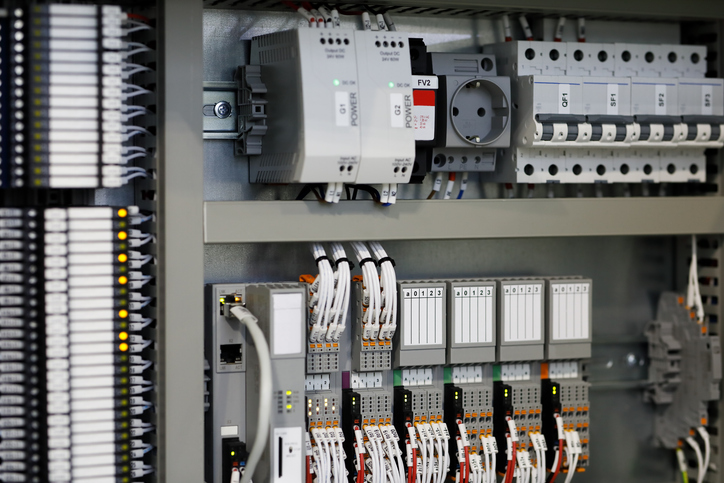
Electrical control systems are seen just about everywhere these days. The manufacturing processes behind them continue to advance as the systems themselves advance, which means companies have to invest more into technology and skilled team members.
Industrial equipment, power infrastructure, and automation technology all rely on electrical control systems. SMTNW covers the manufacturing of control systems for these specified applications, including details on best practices.
Essential Manufacturing Process
For manufacturing any electrical control system, manufacturers and customers must be aligned on design considerations so that there aren’t any question marks during manufacturing. This begins with collecting information on system requirements, environmental analysis, I/O counts, maximum and minimum voltage operations, safety functions, and communication protocols and technology.
After this step is completed and the manufacturing company has your design in place, the production run on these systems can take place.
Key Standards and Compliance Measures of Manufacturing Electrical Control Systems
Manufacturers have to follow stringent standards and compliance measures when producing electrical control systems to ensure that products featuring numerous potential safety hazards are built safely and with quality in mind.
General industry control panels, which cover up to 1000 volts, must follow UL 508A procedures in both manufacturing and labeling in the United States. This includes proper component covering selection, SCCR, overcurrent protection, wiring, spacing, grounding, and markings.
Pro Considerations for Design Aspects
While these real-world applications differ from one another and ultimately have different electrical control systems, there are overarching best design considerations that apply not only to these three applications, but also to other applications that rely on control systems.
- Design for manufacturing to ensure the steps between design and manufacturing are streamlined and smooth. Additionally, design for concepts such as scalability and serviceability. For example, this might include leaving extra space for DIN-rails.
- If possible, use modular PLCs and PACs as well as fieldbus I/O and adopt open protocol concepts so that, over time, systems are allowed to expand without major rewiring.
- Make sure that the separation between power input and signal wiring is clear. This can be achieved by proper labeling and documentation of the entire system, as well as subsections in documentation. Also consider creating built-in diagnostics capabilities as well as remote access to speed up troubleshooting services.
- If necessary, collaborate with your manufacturer and work toward a best design for manufacturing solution.
Common Applications of Electrical Control Systems in Equipment, Infrastructure, and Automation
Electrical control systems are more than just control panels, like the circuit board inside your home devices. When it comes to commercial applications, these systems are highly diverse, complex, and require careful understanding and documentation.
In industrial equipment applications, electrical control systems can include machine control panels, motion control aspects in robotics, and sequential control and logic systems for safety interlocks.
Power infrastructure equipment sees electrical control systems with motor control centers (MCCs) and distribution panels, as well as substation and feeder controls. Automation relies on these systems for supervisory systems such as SCADA and distributed control systems (DCS). They are used to coordinate power flow, ensure protection, and create logic sequences in numerous applications.
Contact the Experts at SMTNW for Your Electrical Control System Needs Today
The team at SMTNW is here for all your electrical control system needs. Whether it’s creating the centerpiece for a control panel or motion control technologies and safety interlocking systems, we have the experience, skillset, and history to turn your designs into functioning assemblies for your business.
We started SMTNW in 1996 with a focus on creating high-quality electronic projects that serve our customers. We follow numerous standards and regulations, including ISO guidelines, to ensure your parts are of the highest quality.
No matter what your electrical control system needs are, contact us today for a fast quote.